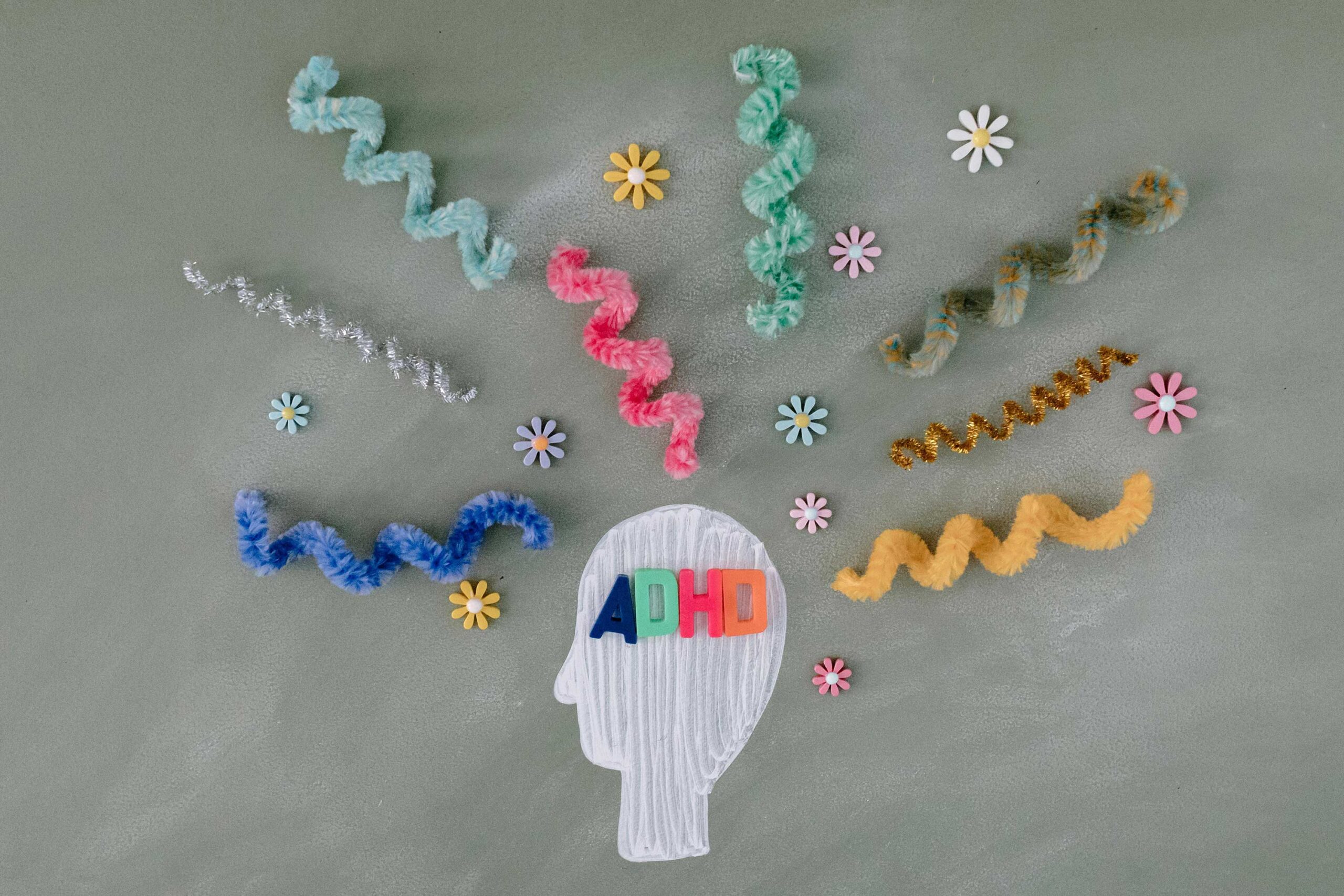

You may have seen someone pacing, flapping their hands, playing with a fidget toy, or doing some other sort of repetitive behavior and wondered what they were doing and why. They were most likely engaging in a behavior called “stimming.” But what exactly is stimming, and why do we do it?
Stimming, which is a shortened way of saying “self-stimulatory behavior,” is what many autistic people and people with other neurodivergent conditions use to help soothe themselves. It is usually some sort of repetitive action or behavior, and some people do this without even realizing they’re doing it. Because neurodivergent brains and sensory systems develop differently from neurotypical ones, we often require additional help in regulating our emotions and nervous system. Stimming can sometimes be used to soothe uncomfortable emotions or even used to express excitement at times.
What does stimming look like? It can take many different forms, and one person can even use several different behaviors to stim. For example, I play with my hair, use fidget toys, rock in place, tap my nails, and even sometimes use cross stitch (a repetitive behavior if ever there was one) to stim. Some additional stimming behaviors can include, but are not limited to:
- hand flapping
- pacing
- throat clearing
- repeating sounds/words/phrases
- blinking
- eye-rolling
- repeated sniffing
- spinning
- lining up objects
- staring at lights
- chewing on objects (like pens, sweatshirt ties, etc.)
Stimming has historically been something that parents of autistic children and others have tried to restrict or stop their kids from doing. However, this has most often been due to the stigma surrounding autism in the past, not because of any harm that stimming might cause.* Rather than restricting or stopping stimming, providing a safe and neurodiverse space should allow and even encourage stimming. This can include:
- providing space for individuals to stand up and move
- allowing children to get up from desks and move around
- encouraging individuals in meetings to get up as they need to
- providing or allowing the use of fidget toys
- ensuring that neurotypical individuals in the same spaces understand this is appropriate and acceptable behavior
Educating ourselves and others on stimming, including how and why neurodivergent individuals use it, is one of the ways we begin to dispel the myths and stigma around autism and other neurodivergent conditions.
*Some stimming behaviors can be harmful, like head-banging, hitting, or biting. In these cases, it is important to work with the individual to understand what might be causing the harmful behaviors and help them to stop.