
Author note: There is a similar, previous post to this one about making events neurodivergent-friendly, but since I had a specific event in mind for that (college orientation), I left that as is and am writing a new, more general post.
I can’t tell you the last time I went to a meeting or event and thought to myself, “You know, there is absolutely nothing they could do to make this more neurodivergent-friendly.” Even when I went to Autcon – a convention specifically for autistic people – I was able to identify a few things they could have done differently to make it more ND-friendly. So I’m starting a list of all the things I’ve observed based on the information I’ve learned in my research into neurodivergence. And while this list may do me some good, it will do the broader ND community even better if I share it 😁.
So here is my very non-exhaustive list of things to consider for neurodivergent-friendly meetings and events, starting with set-up and scheduling. I plan to continue adding to this list as I think of more, so that I – and others – can find them all in one place.
Set-up and prep for in-person meetings
Many neurodivergent people extra sensitive to certain stimuli, so reducing those as much as possible in meeting spaces can really help those folks focus on the meeting instead of what’s bugging them. If you are looking for a meeting space or have the ability to adjust any of the following, these can greatly reduce overstimulation for your ND participants:
- Look for low/adjustable lighting. Avoid fluorescent lights when possible – not only can these be too bright for folks with light sensitivity, but those with sound sensitivity may struggle with the buzzing noise created by them.
- Use a soundproof room or look for ways to reduce extraneous noise. This is important not just for those with sound sensitivities but also those with auditory processing disorders. It can be challenging to follow some meetings with no noise – imagine how difficult it would be if you are easily distracted by conversations or other noise happening right outside your meeting room.
- Reduce smells as much as possible by asking participants to avoid wearing perfumes or scented lotions. If there is going to be food served as a part of the meeting, consider serving it in another space so that the lingering smells after mealtime is over don’t cause issues for folks sensitive to smells.
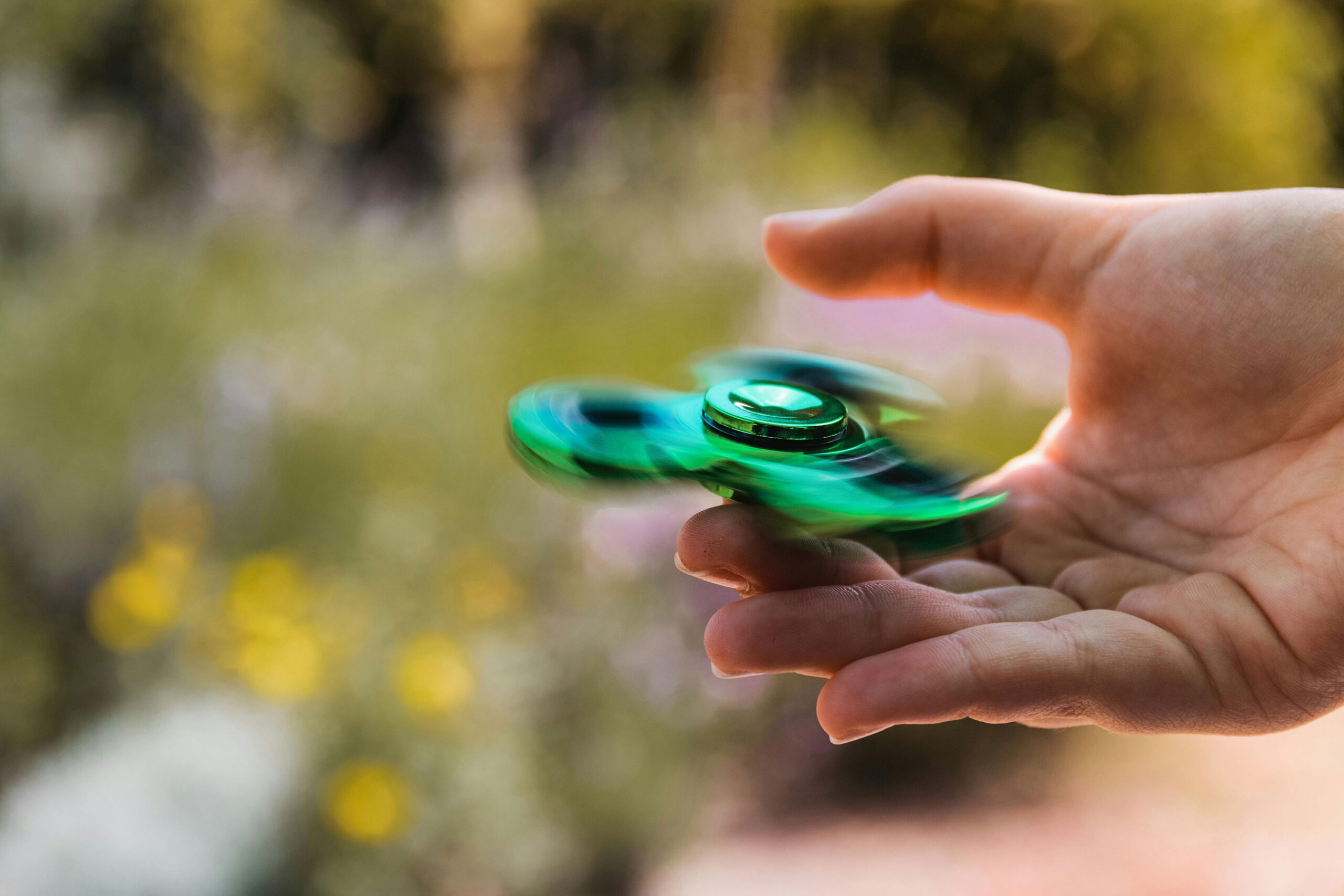
- Provide fidgets, coloring books, puzzles, or other activities that allow for people to stim. Ensure that other participants recognize these as acceptable activities that may actually help some individuals focus better.
- Space for people to get up and move around, pace, or just stand. Some ND folks use physical movement as part of their stimming or to help regulate their nervous systems.
Sometimes it’s impossible to adhere to all of these when using an existing space, or when participants don’t read the directions and wear their smells anyways. In this case, providing a sensory-friendly room can be a huge help. This space could include:
- Low/adjustable lighting or sleep masks
- Soundproofing or noise cancelling headphones
- No food/scents allowed
- Fidgets for people to stim
- Textured seating for individuals who sensitive to and seek out touch
Some individuals may even seek out the sensory-friendly room when they are feeling under-stimulated by whatever is happening in the meeting. A break where they can seek out something to touch or stim with may allow them to return refreshed and ready to jump back into whatever is happening.
Scheduling meetings and sending invites
There are a few things that are important to consider when you’re scheduling a meeting – especially longer meetings – and when you send out the invite for the meeting that will prepare your ND attendees to get the most out of the meeting.
- When scheduling longer meetings, make sure to schedule plenty of breaks. I usually feel like 90 minutes of meeting time is my limit, but others may need even less than that.
- If possible, consider how many meetings you schedule in one day. Meetings can be especially exhausting for neurodivergent folks, who may feel the need to mask during them depending on the environment. A day full of meetings for me can often mean I struggle to complete any additional work, as my brain often turns to mush.
- When you’re sending an invite to a meeting, try to include as much context as possible. We’ve all likely gotten the dreaded surprise meeting from a boss with no context that causes anxiety. But even beyond that, telling them what to expect can ensure that they show up ready to participate in the way you need them to. This can look like:
- Sending the agenda in advance with times allotted to each section (but make sure you stick to these times! I get absolutely agitated and distracted when it looks like we’re going to go over on time).
- Including a dress code for larger events/meetings, including information about the temperature in the space, if possible.
- If there is food, including a menu can be extremely helpful for those with ARFID (or other eating disorders) to navigate mealtimes and know whether they need to provide their own food.