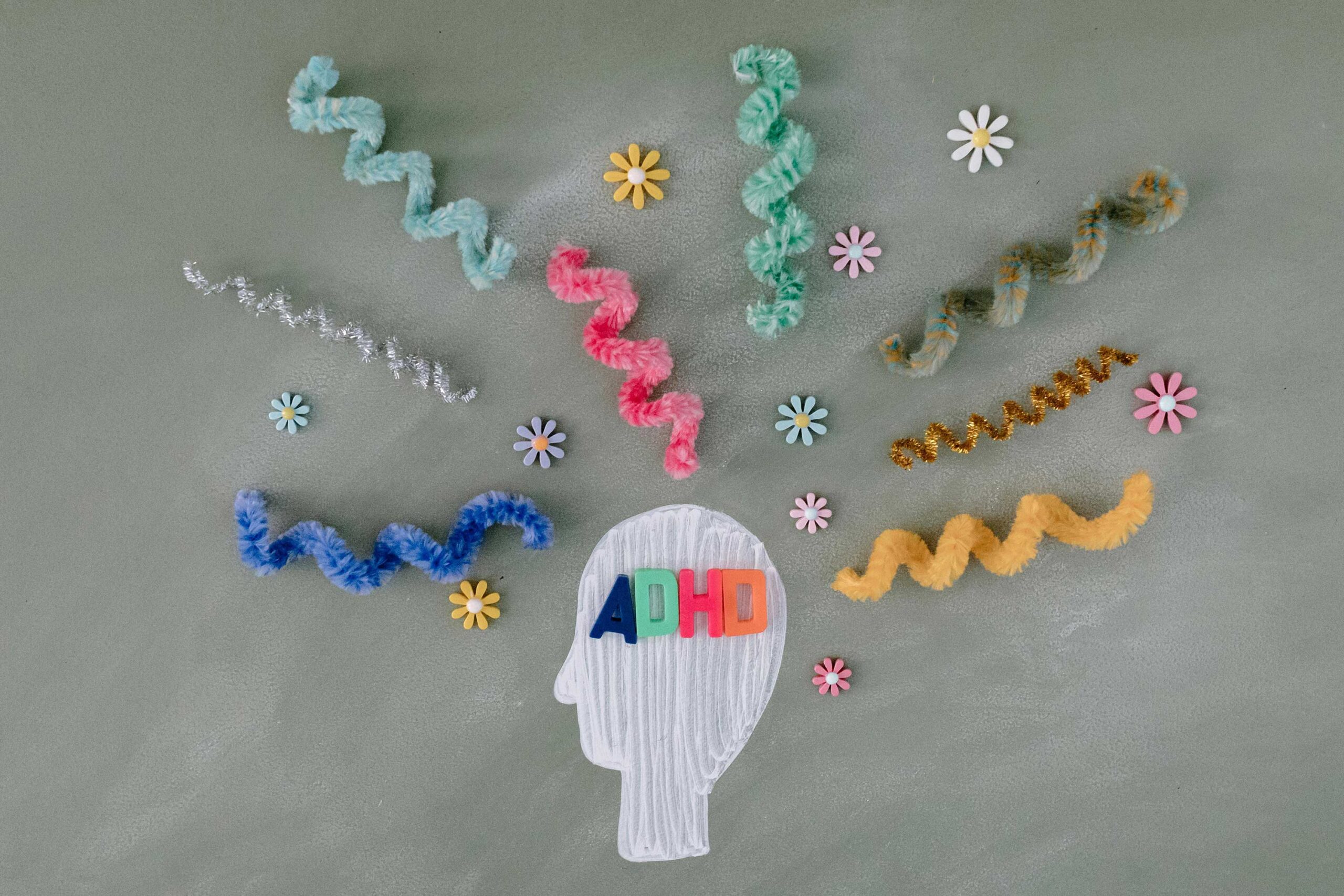

I am currently on an extended leave from my job due to neurodivergent burnout and trying to recover by doing research…on neurodivergent burnout. You can take the girl out of academia, I guess?
What is neurodivergent burnout?
The quick skinny is that autistic or neurodivergent burnout is a long-term condition that is caused by the exhaustion of our internal resources. What does that mean for us, though? It means we tend to have
- increased fatigue
- heightened sensitivities (even more than we already usually do)
- a loss of executive functioning skills
- difficulty managing emotions or adapting to change
We can even experience depression and suicidal ideation as a result of burnout, an experience I’m all too familiar with, unfortunately.
Before I was diagnosed, I would have considered what I’m feeling right now as an episode of depression, even though it feels a little different from the full-on depressive episodes I’ve experienced in the past. But without understanding my autism diagnosis, that felt like the most accurate fit – and having our burnout diagnosed as depression by medical professionals is fairly common for neurodivergent folks who don’t know they’re neurodivergent.
How does this look for me?
For me personally, burnout has been an excessive fatigue – like, almost impossible to get out of bed in the mornings fatigue. To be fair, I always feel at least a little fatigued (thanks to all my diagnoses!), but this is even more than that. In addition, coping with small things has become much more difficult. I would often sit down at my desk for the day and look at my list of tasks that I needed to get done and just stare. I couldn’t figure out where to start on tasks that would normally have been very simple for me.
It has been hard for me to read complex or new books during this time – I’ve been defaulting to a lot of romance and rereads previous to my work leave. And lots (and lots and lots) of mindless scrolling on my phone. Only in the past couple of weeks have I been able to start picking up some newer and more complex reads and putting my phone down for longer periods of time.
While I was working, masking – which is something that is just necessary at work, unfortunately – became extremely draining. Having to write and rewrite and rewrite emails and Slack messages so they didn’t come off as abrupt or what others considered to be rude, trying to engage in small talk in meetings, not being short or blunt in meetings – that all was just sucking me completely dry. So even if I had motivation at the beginning of the work day, it was gone by about two hours in.
And the truly big indicator for me – the one that finally tipped the scales and pushed me to take leave – was the fact that I couldn’t seem to go anywhere outside of work without being overstimulated and melting down. Which meant I was struggling to leave the house. Yikes!
What does burnout recovery look like?
For neurodivergent burnout, recovery looks a little different than it does for just plain ol’ burnout. Someone with burnout might require rest, a break from routine, and resting their mind. However, for neurodivergent burnout, it’s important for us to engage our minds with our special interests in ways we haven’t currently been able to do. We still require rest, but it’s also important to keep up with routines that help keep us healthy and safe. And we often need to find a way to reduce sensory input – at least for a little bit.
On my leave, as much as I wanted to go out and engage with our local craft fair or writing conference, I knew that I just couldn’t handle the stimulation of those environments yet. So it’s not just a leave from work for me – it’s been a leave from things that I also might normally enjoy but can’t engage in right now for my health.
So right now, I’m mainly reading, visiting bookstores (special interest FTW!), crafting, puzzling, taking naps, and generally just enjoying unmasking for longer periods of time. The hardest part about this has been letting go of the constant need for productivity that we’ve learned to accept as a norm in our society. And I can’t say I’ll be “healed” or “recovered” by the time I go back to work, but I at least have a better idea how to balance my work with boundaries and outside resources.