
Before I started thinking I might be autistic, I had several incidents that I thought were panic attacks. When I talked to my doctor and psychiatrist about these, they were a bit mystified, since panic attacks don’t often have triggers as specific as mine. (They definitely can, it just tends to be somewhat rare.) These attacks almost always happened at the grocery store or one of my son’s sporting events, in addition to a few other situations. When I started reading up on autism and symptoms, I learned about meltdowns caused by sensory overload, and I realized that this is what I was actually experiencing.
What is sensory overload/overwhelm?
Because many neurodivergent folks have heightened sensitivities to external stimuli, it is not uncommon for them to experience sensory overload, but what exactly is that? Sensory overload happens when our nervous systems are overwhelmed by sensory or cognitive stimuli. Some examples of things that can cause sensory overload are:
- Loud noises
- Crowded spaces
- Strong scents
- Too much information and/or presented in too many different ways at once
- High-intensity emotional situations
When someone is experiencing sensory overload, it can cause irritability, anxiousness, physical discomfort, and inability to concentrate, among other symptoms. For example, when I am startled by a loud noise, I often become immediately enraged. It can be difficult to find ways to dispel that rage, so I have learned to leave the space if there are other people in it just so I don’t take it out on them. (Just ask my husband about this – he’s been the victim of more than one incident of noise-induced anger.)
But when the sensory overwhelm is just too much, it can also cause a meltdown or shutdown.
Autistic meltdowns
Though these are often labeled as autistic meltdowns, people with other neurodivergent conditions can also experience them. Meltdowns can happen when our nervous system is overwhelmed by stimuli, causing our brain to think we’re in danger. People experience meltdowns in different ways, and there are many different possible behaviors someone having one might exhibit, including but not limited to:
- Crying or screaming
- Rapid stimming, walking, pacing
- Clenching their jaw or grinding their teeth
- Having trouble breathing
- Shutting down or withdrawing
- Hitting, kicking, throwing objects
- Running away
When I have a meltdown, it looks very similar to a panic attack: difficulty breathing, feeling very hot, and uncontrollable crying. I often also need to get up and pace or flap my hands some to try and work through it.
How do I recover from a meltdown or help someone else recover?
The most effective way to recover from an autistic meltdown is to remove – as much as possible – the stimuli that are causing the meltdown. If you are helping someone recover, it is important that you stay calm and do not judge them for their behaviors. Make sure to give them space, don’t touch them without them asking for it, and keep your voice low. For those experiencing a meltdown, finding a cool, dark space – or even a space that has less stimuli than the space you are in – can help you have the space you need for your nervous system to recover.
Other things that can help someone experience a meltdown can include:
- Wearing noise cancelling headphones
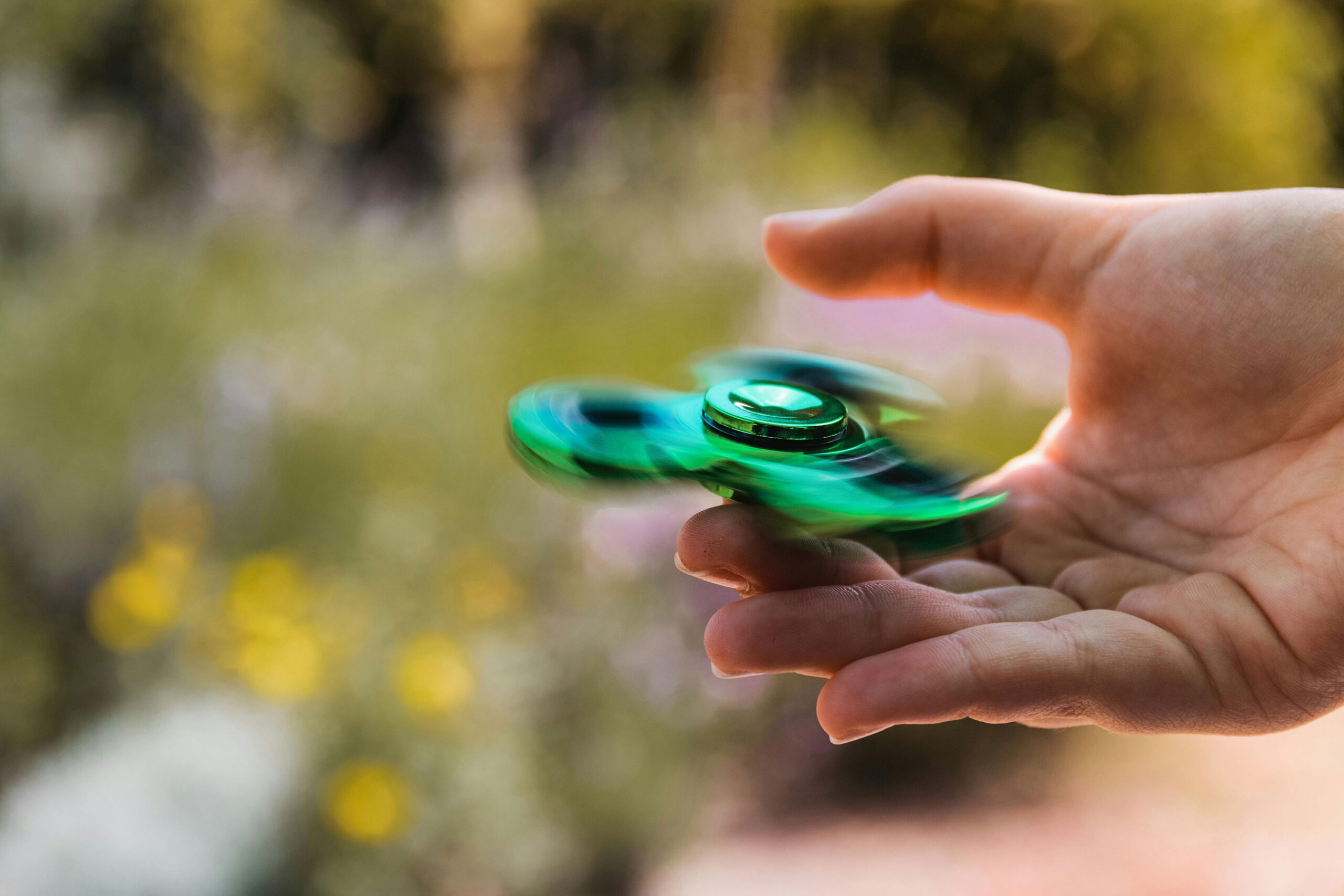
- Using fidgets or other sensory-friendly items to stim
- Drinking a glass of water
- Using a weighted blanket
- Turning the lights off
- Putting a cool compress on their forehead
A fireworks meltdown
One of the reasons I chose to write about this topic this week was my own recent meltdown experience. On the Fourth of July, our neighborhood goes a little haywire with the fireworks. This year was particularly bad, with a steady stream of fireworks being set of for roughly three to four hours. There was literally a haze of smoke outside our house, and we could smell the gunpowder inside. For someone like me – who has a pretty strong reaction to noise – you can imagine how difficult three hours of loud pops and bangs was. Even with my noise cancelling headphones on, I could still hear them snapping and popping. So it should not have been a huge surprise that this sent me into a meltdown. It felt especially terrible this time because I was in my house, which is usually a safe space for me.
While I don’t expect the world to bend to me or my needs, I do wish generally people were just more sensitive about things like this. This can also include having the volume on their devices turned up while they talk or watch videos in public, wearing strong perfumes, crowding people, etc. To me, living in a neurodiverse-friendly world would have less of these sensory stimuli that can often be triggering to people with neurodivergent conditions.